How to Talk to Children About Neurodiversity
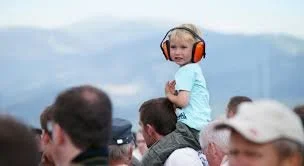
I was at the park recently and overheard a dad struggling to explain why another boy was wearing noise-canceling headphones. He whispered, "He just needs them, honey," and quickly changed the subject.
We’ve all been there. We want to be respectful, but we are often afraid of saying the wrong thing, so we end up saying nothing at all. But at the I Am Able Foundation, we’ve learned that NOTHING is exactly where stigma starts to grow. When we don't give kids the words to understand neurodiversity, they fill in the blanks themselves, often with labels like weird or difficult. The truth is that you don't need to be an expert on brain science to teach your child about empathy. It just requires a little bit of honesty and some really good analogies.
It’s Just a Different Operating System
Kids get tech. They know that a tablet behaves differently than a laptop.
Try explaining it like this: Think of your brain like a computer. Most people run on one kind of software, but some people, such as those with ADHD or autism, run on a totally different operating system. One isn't broken and the other right. They just have different shortcuts and different buttons. They process information in their own unique way. This isn't just a metaphor; it describes how a learning difference can fundamentally change how a person remembers things or interacts with the world around them. For example:
Dyslexia can make it a challenge to read and spell.
Dysgraphia can make it difficult to write.
Dyscalculia can make math tasks harder to process.
ADHD affects the ability to pay attention, plan, and execute tasks.
Autism creates differences in communication, movement, and sensory processing.
It’s a simple shift, but it moves the conversation from deficiency to diversity, helping students see that having a different way of learning is simply a part of who they are.
Too Much Information: Sensory Talk
We often forget how loud and bright the world is for a neurodivergent child. To help a neurotypical child understand sensory overload, ask them to imagine trying to do their homework while five people are shouting different stories in their ears and a flashlight is being blinked in their eyes.
Overload: It is like your brain's volume is stuck on 10 and you cannot find the remote.
Under-stimulation: Sometimes, a brain needs extra fuel to focus. That is why some friends need to wiggle, bounce, or hum. It is not them being distracting. It is them helping their brain stay awake and alert.
The Lightbulb Moment: Fairness
There is a "lightbulb moment" that happens when a child finally realizes that fair does not always mean the same. Kids are often obsessed with things being exactly equal, but we want to help them understand that true fairness is about making sure everyone has what they need to thrive.
The Shoe Test - Ask your child, "If our whole family went for a hike, would it be fair if I forced everyone to wear a Size 7 shoe?" They will laugh and say no because the person with big feet would be in pain and the person with small feet would trip.
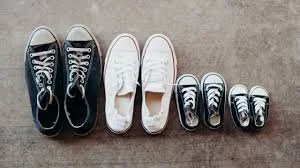
Fairness is not everyone getting the same thing. It is everyone getting what they need to succeed. When a classmate gets to use a fidget, wears headphones, or takes a break in a quiet corner, they are not getting a prize. They are just getting a shoe that fits so they can learn alongside their peers with confidence.
Our Favorite - Conversation Starters
If you are looking for a way into this topic, grab one of these books. They do the heavy lifting for you:
The Girl Who Thought in Pictures: Incredible for showing how a different brain (Temple Grandin) changed the world.
A Day With No Words: A beautiful look at non-verbal communication that will change how your child looks at silence.
Thank You, Mr. Falker: Keep the tissues handy for this one. It is the ultimate story about the power of a teacher who understands dyslexia.
A Different Lens: A neurodiversity-affirming resource for parents to teach children about invisible disabilities, such as ADHD, empathy, and kindness.
Check out the I Am Able Foundation book resources page for additional books.
The "We All Learn Differently" Initiative
At the heart of our work is the We All Learn Differently (WALD) initiative. This program was created to acknowledge a universal truth: no two people learn in exactly the same way. A learning difference simply means processing information, remembering things, or interacting with the world in a way that is different from most people.
Some of us can hear a set of instructions once and remember them perfectly, while others need to see them written down in bright colors. Some kids learn best by sitting still and reading, while others need to be moving or building things with their hands to truly understand a concept. Our initiative is about celebrating these variations. You can find more tools, art projects, discussion questions, and games by visiting www.wealllearndifferently.com and downloading the Playbook. When we show our kids that having a brain that works differently is just a part of being human, we take the shame out of the equation.
Start the Conversation with Our Flagship Video
If you are looking for the best way to start this journey at home or in class, we recommend watching our flagship video at www.wealllearndifferently.com. It features brave middle-schoolers sharing their own stories about what it is like to learn differently. Hearing from peers can significantly boost a child's self-esteem and help break down the stigma surrounding these differences. Watching this together can set the stage for an open, non-judgmental conversation. After viewing, you might ask your child:
Do you think everyone learns the same way?
What is one thing you love about how your own brain works?
How can we make sure everyone feels they belong, even if they learn differently?
You do not have to be an expert to be an ally. It is okay to say, I am not sure exactly how their brain works, but I know it is a cool one. By normalizing these differences now, we are building a future where every kid, no matter their operating system, feels like they belong.
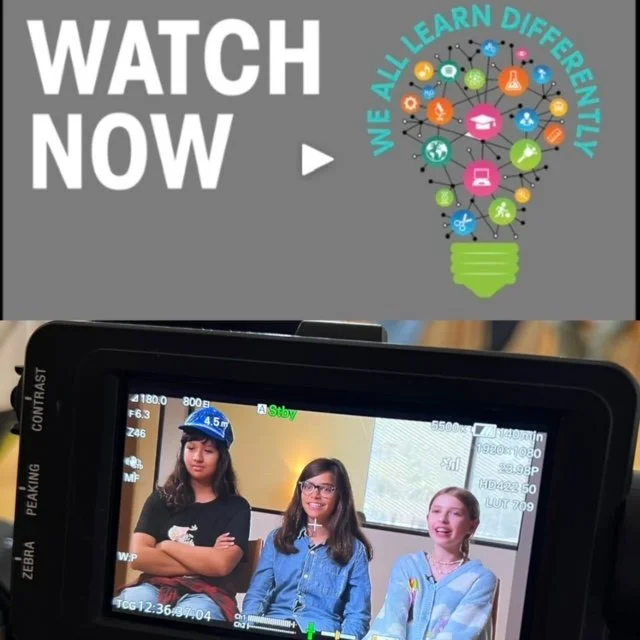
We All Learn Differently